
Why Is There Excess Glue in Your Photo Albums? The Role of the Glue Roller
During layflat photo album production, excess adhesive and dust can affect the cleanliness and consistency of the finished book block. While glue application is an important part of the process, controlling what remains on the page and core materials also matters.
One component that helps manage these issues is the glue roller. Used in automatic photo album making machines, it collects excess glue and picks up dust and small particles from the surfaces of photo paper and cardboard inserts during production.
Understanding how the glue roller works, and why it needs regular cleaning, can help photo album manufacturers maintain a more consistent production process.
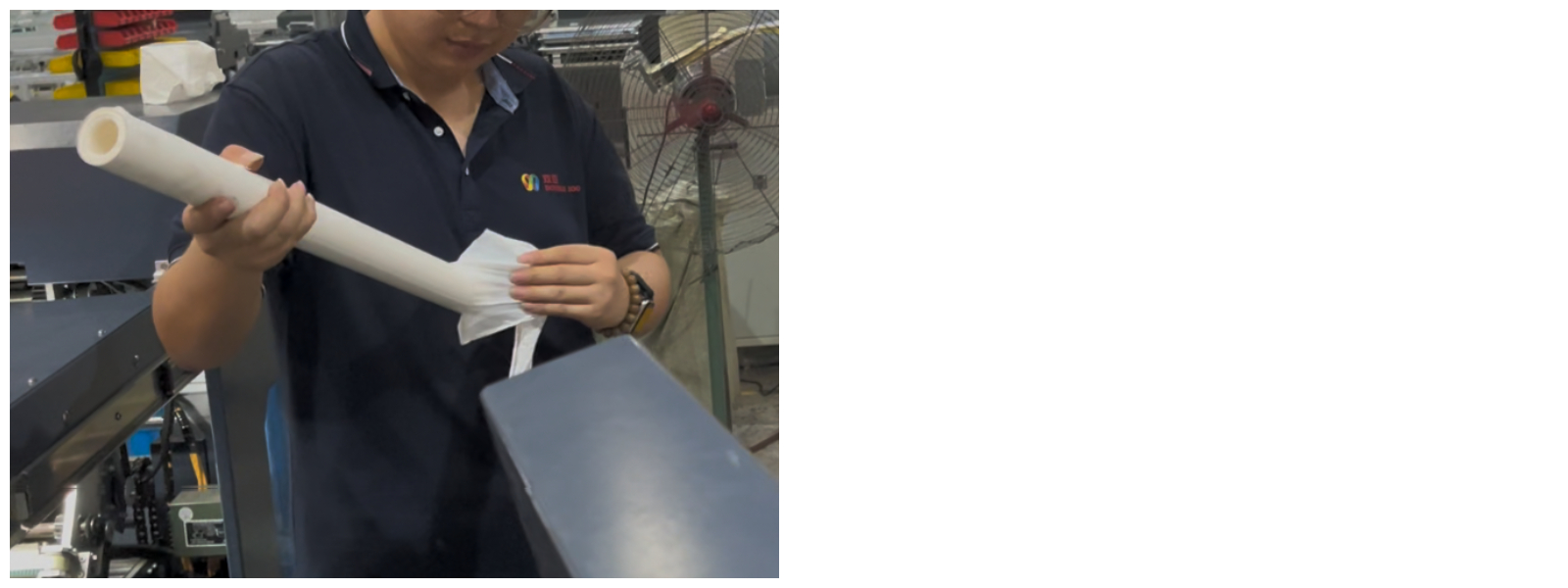
What Does a Glue Roller Do in Photo Album Production?
In layflat photo album manufacturing, printed photo paper and cardboard inserts are combined to form a book block. Adhesive must be applied appropriately to bond the materials, but excessive glue or surface contamination can interfere with the process.
The glue roller helps manage two common issues.
Collecting Excess Glue
When glue is applied to photo album pages and cardboard inserts, some adhesive may remain beyond the amount needed for the intended bonding process. The glue roller collects part of this excess adhesive as the materials pass through the machine.
This helps reduce unwanted glue buildup during production and supports cleaner handling of the materials. It is particularly relevant when processing multiple sheets or inserts in a continuous workflow.
Removing Dust and Small Particles
Dust and small particles can accumulate on photo paper and cardboard surfaces during storage and handling. If these contaminants remain between layers, they may affect the cleanliness of the book block.
As the materials pass the glue roller, some of these particles can adhere to the roller surface and be carried away. This helps keep the material surfaces cleaner during processing.
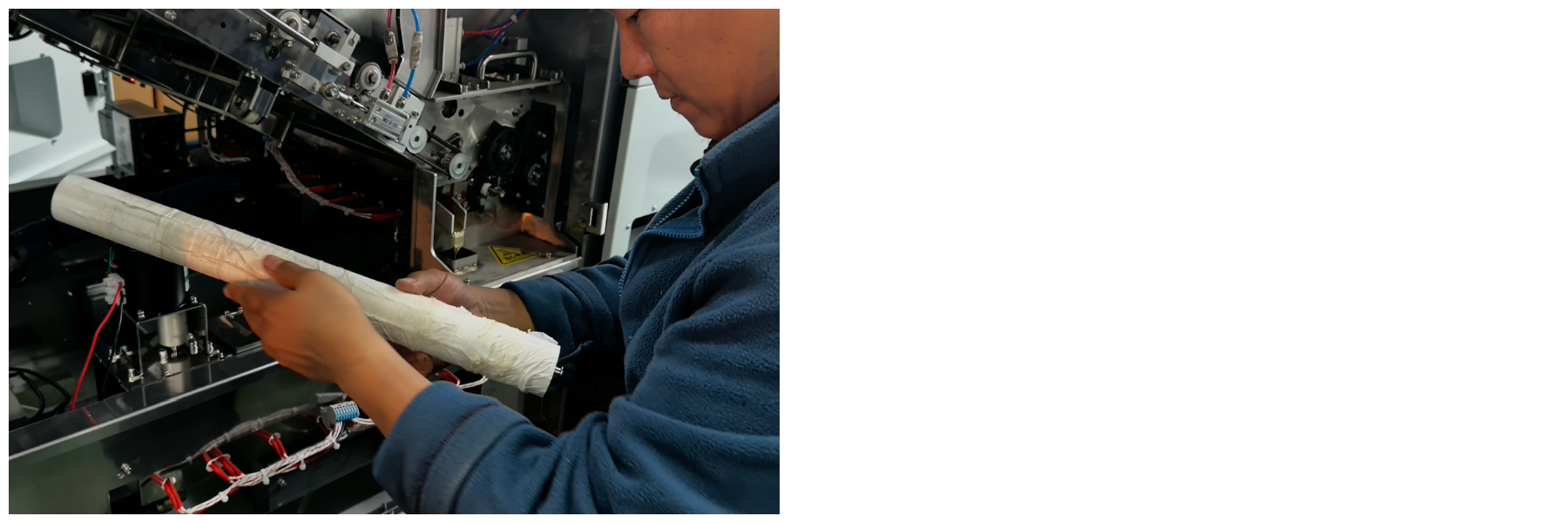
What Happens When the Glue Roller Is Not Cleaned?
The glue roller collects adhesive residue and dust during operation. Over time, these materials can accumulate on its surface, making regular inspection and cleaning important.
If the roller remains uncleaned for an extended period, the buildup may interfere with its intended function. Depending on the production conditions, this can contribute to problems during book block making.
Potential warning signs include:
Excess glue residue: Adhesive buildup may make it harder to maintain a clean and consistent production process.
Dust and surface contamination: Particles collected on the roller can become a concern if residue is not removed appropriately.
Inconsistent book block quality: Contamination or uneven adhesive handling may contribute to unwanted marks, irregular bonding, or other production defects.
These symptoms do not necessarily mean the glue roller is the only cause. Glue application settings, material condition, and other machine components should also be checked when a problem occurs.
Why Regular Cleaning Matters
Cleaning the glue roller helps remove accumulated adhesive and contaminants, allowing it to continue performing its intended role. Operators should inspect the roller regularly and follow the machine's recommended cleaning procedure.
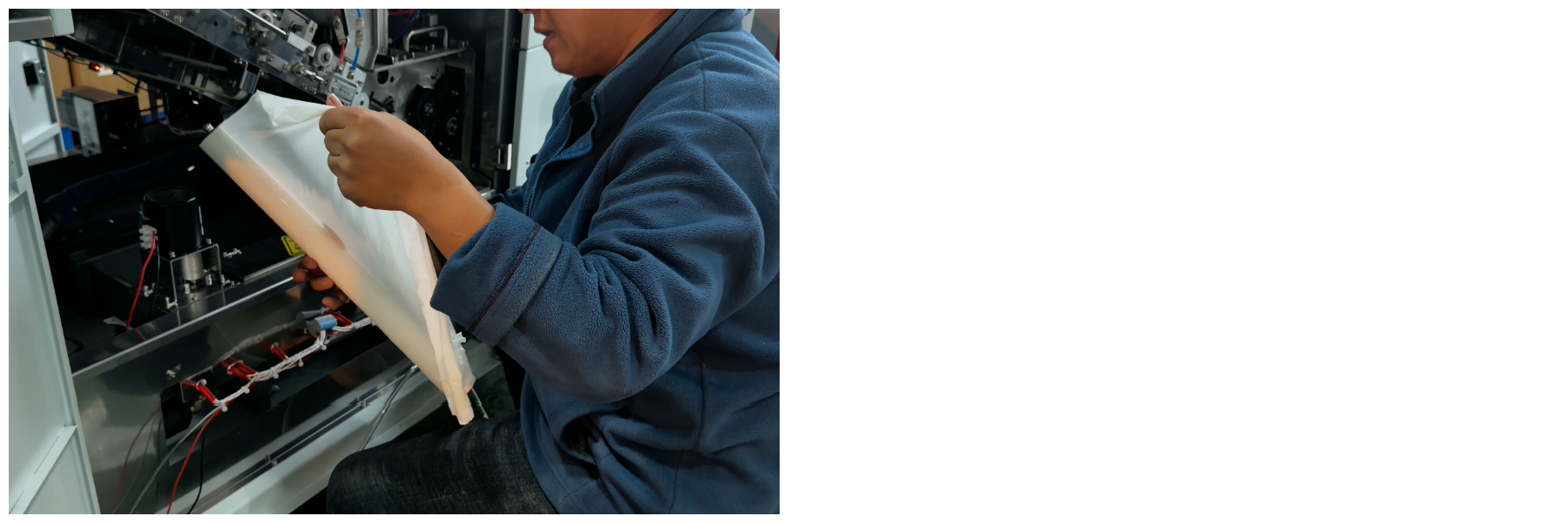
Caption:”Removing the accumulated outer layer as part of the demonstrated glue roller cleaning process.”
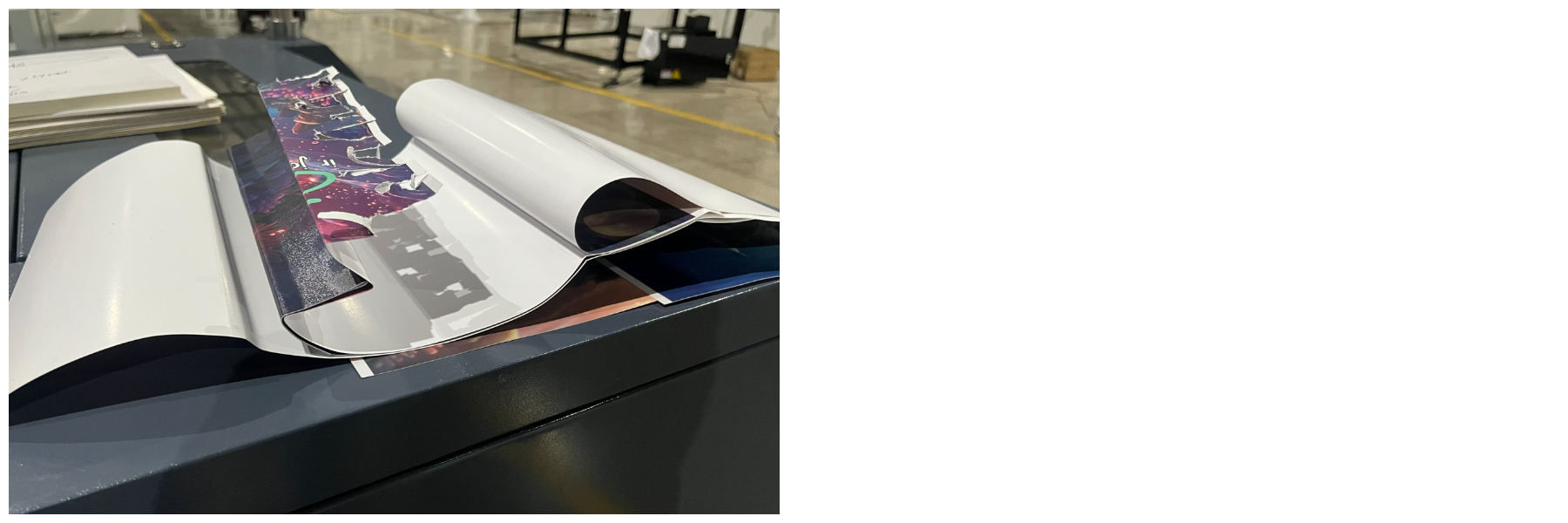
Caption:”A book block showing production quality issues observed after extended periods without cleaning. Other process factors may also contribute to the result.”
Glue Rollers in Different Automatic Photo Album Making Machines
Glue rollers are used in multiple Double100 machines designed for photo album core production. Although their overall production workflows differ, the roller plays a related role in helping manage excess adhesive and surface contaminants.
SU5000: Full-Automatic Layflat Album Machine
The SU5000 is designed for higher-volume layflat photo album production. In a production environment handling repeated batches, keeping the glue roller and surrounding working area clean is an important part of routine machine maintenance.
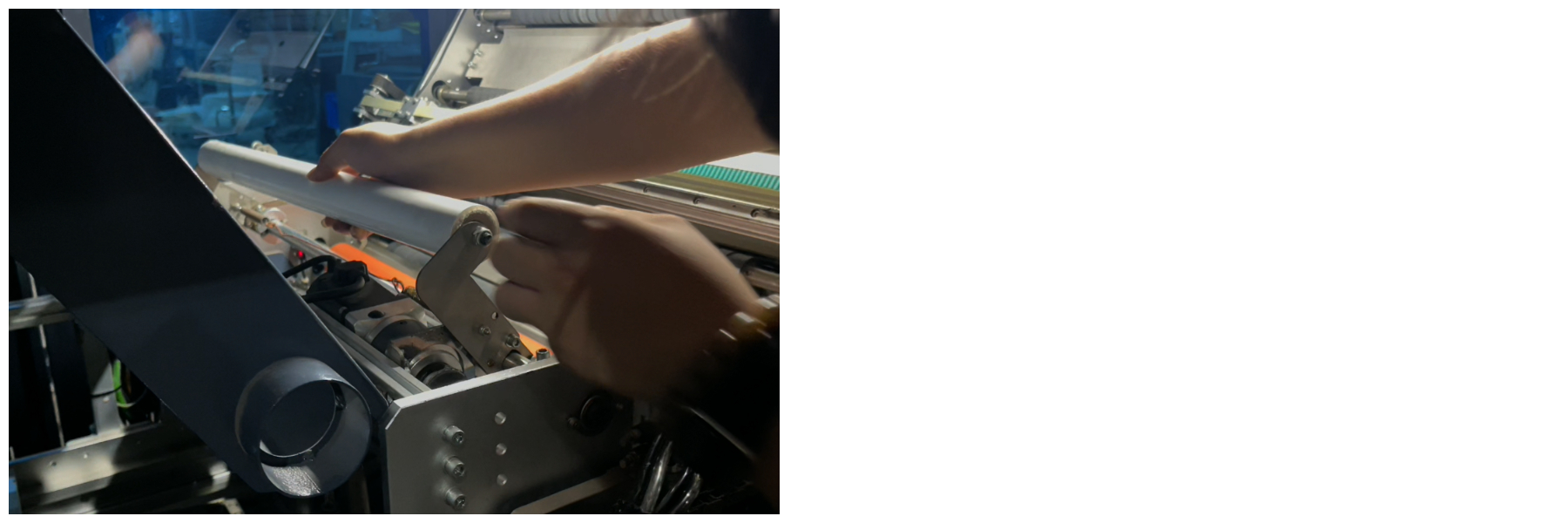
QHFS1860: Automatic Photo Album Making Machine
The QHFS1860 combines multiple book block making functions in one machine. Its glue roller helps collect excess adhesive and surface particles during processing. The roller photos above can demonstrate both adhesive accumulation and the cleaning process.
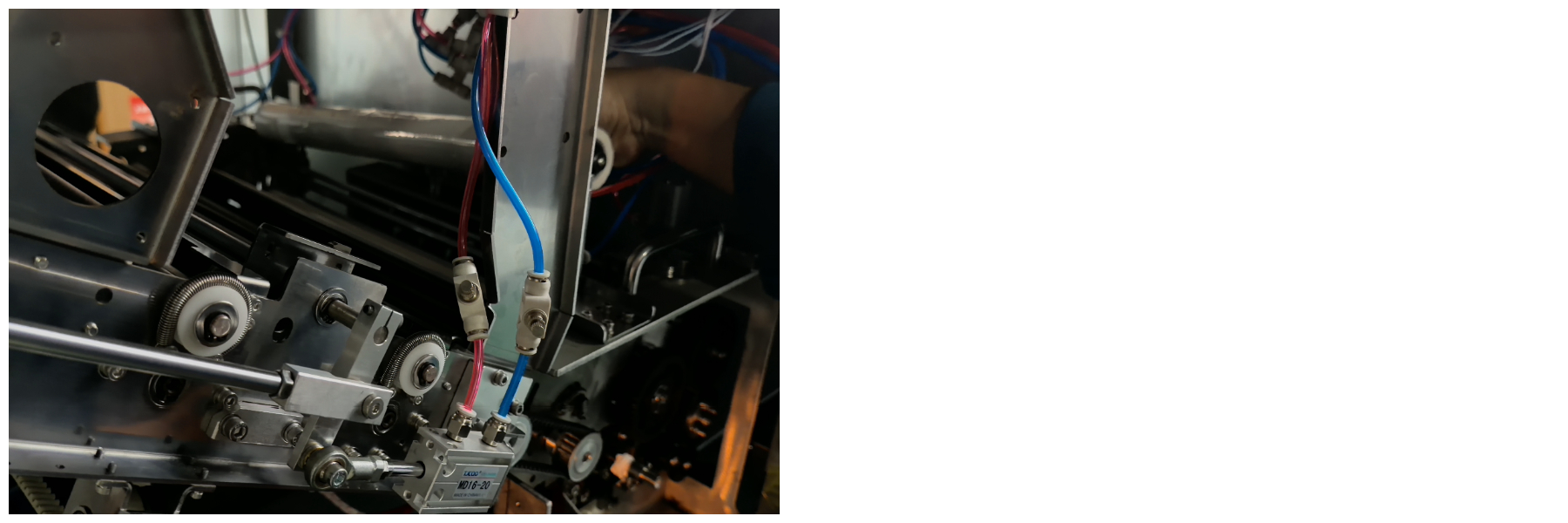
SU3000: Automatic Photo Album Sorting Machine
The SU3000 supports automatic handling in photo album production. Its glue roller is another example of how roller-based adhesive management is incorporated into Double100's automatic equipment.
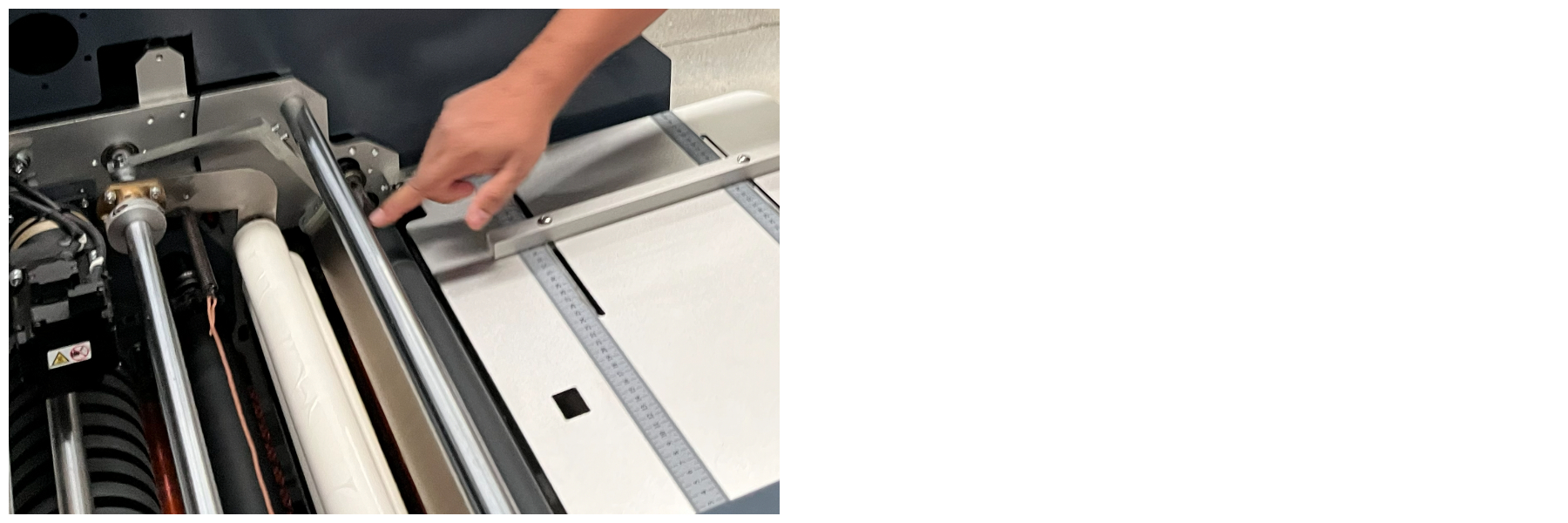
How to Keep the Glue Roller Working Effectively
Routine inspection helps operators identify adhesive buildup and contamination before they become more significant production concerns.
Recommended practices include:
Inspect the roller regularly. Check for accumulated glue, dust, and other visible residue.
Clean it according to the machine instructions. Use the approved procedure for the specific model rather than assuming every roller has the same cleaning method.
Check the finished book blocks. Unusual glue marks, contamination, or inconsistent bonding can be reasons to inspect the roller and the wider production process.
Maintain the surrounding machine area. Dust and dried adhesive elsewhere in the working area may also affect material cleanliness.
Regular cleaning does not replace correct glue application settings or proper material handling. Instead, it supports these practices as part of a consistent production routine.
Conclusion
The glue roller is a small but important component in automatic photo album core production. By collecting excess adhesive and picking up dust and small particles, it helps maintain cleaner processing conditions for photo paper and cardboard inserts.
For manufacturers using the SU5000, QHFS1860, or SU3000, regular roller inspection and appropriate cleaning should be part of routine maintenance. Paying attention to this component can help operators identify potential sources of production problems and maintain more consistent book block quality.
For photo labs and album manufacturers looking to improve production consistency, choosing the right automatic photo album making machine is an important step. Double100 offers equipment for different production needs, including the SU5000, QHFS1860, and SU3000. Contact Double100 to explore the right equipment for your photo album core production workflow.


