Understanding Layflat Photo Album Core Structures: From Single to Multiple Inserts
Layflat photo albums are known for their thick pages, clean appearance, and ability to display images across a full double-page spread. Widely used for wedding photography, portrait albums, and premium photobooks, these albums rely on more than high-quality printing to achieve their finished appearance. The layflat photo album core structure also plays an important role in page thickness, rigidity, and overall construction.
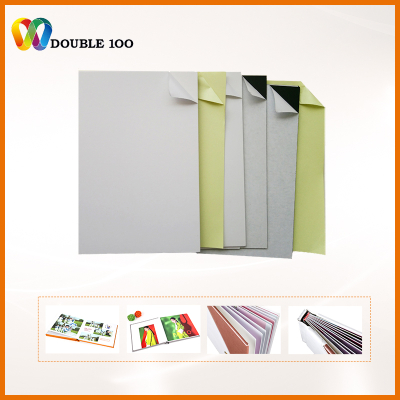
One of the main differences between layflat photo albums is how photographic paper and cardboard inserts are combined to form the page core. Depending on the design, a photo album core may consist of two photo paper sheets bonded back to back or include one, two, or three cardboard inserts. These different layflat album page structures allow manufacturers to develop albums with different thicknesses, page feels, and material requirements.
Understanding these layflat photo album core structures helps photo labs and album manufacturers select suitable photo album materials, plan the production process, and meet the requirements of different album specifications.
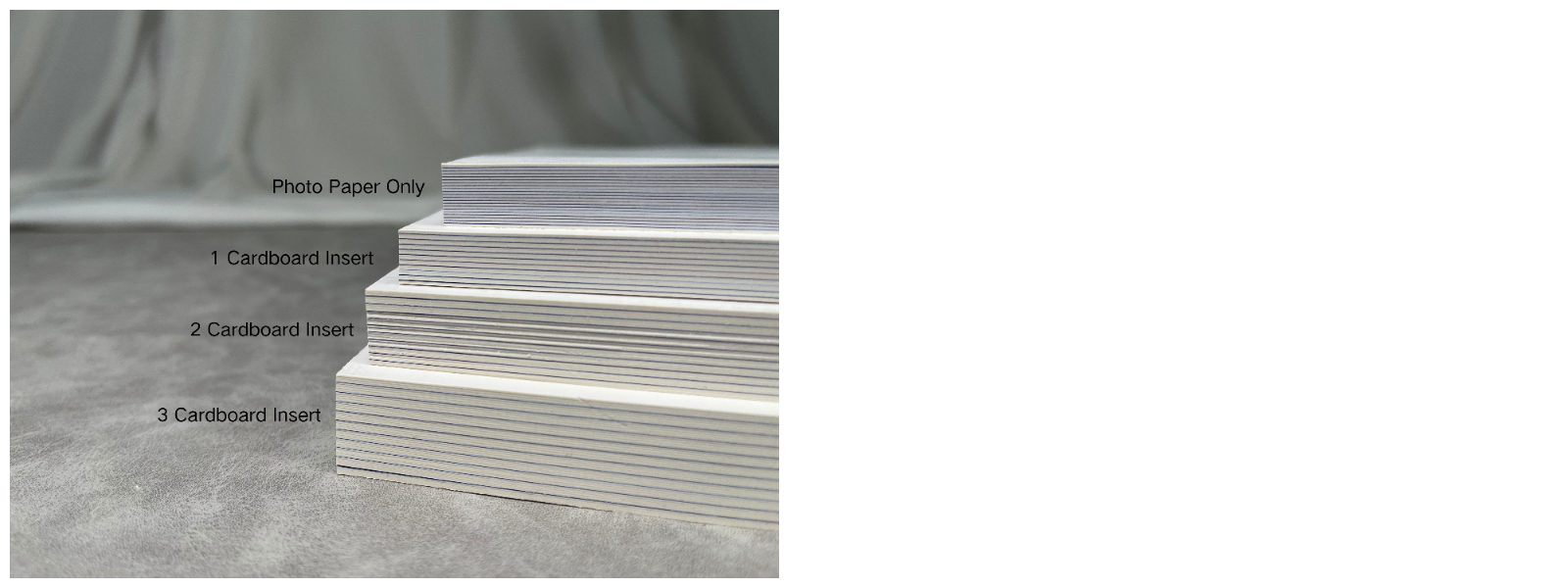
Photo Paper Bonded Back to Back: A Slimmer Page Structure
The simplest layflat photo album core structure uses two photographic paper sheets bonded together without an additional cardboard insert. This photo-paper-only construction creates a relatively slim page profile and offers a different balance between flexibility, thickness, and material consumption.
Because fewer core materials are required, this structure can be suitable for photo albums where a lighter page profile is preferred. It also gives album manufacturers another option when developing different layflat photobook specifications.
The finished result depends on the photographic paper, adhesive, bonding process, and overall album construction. Page flatness, bonding quality, and consistency should all be considered when evaluating this type of photo album core.
A slimmer structure is not necessarily unsuitable for professional albums. The appropriate choice depends on the intended product, customer expectations, and required page thickness.
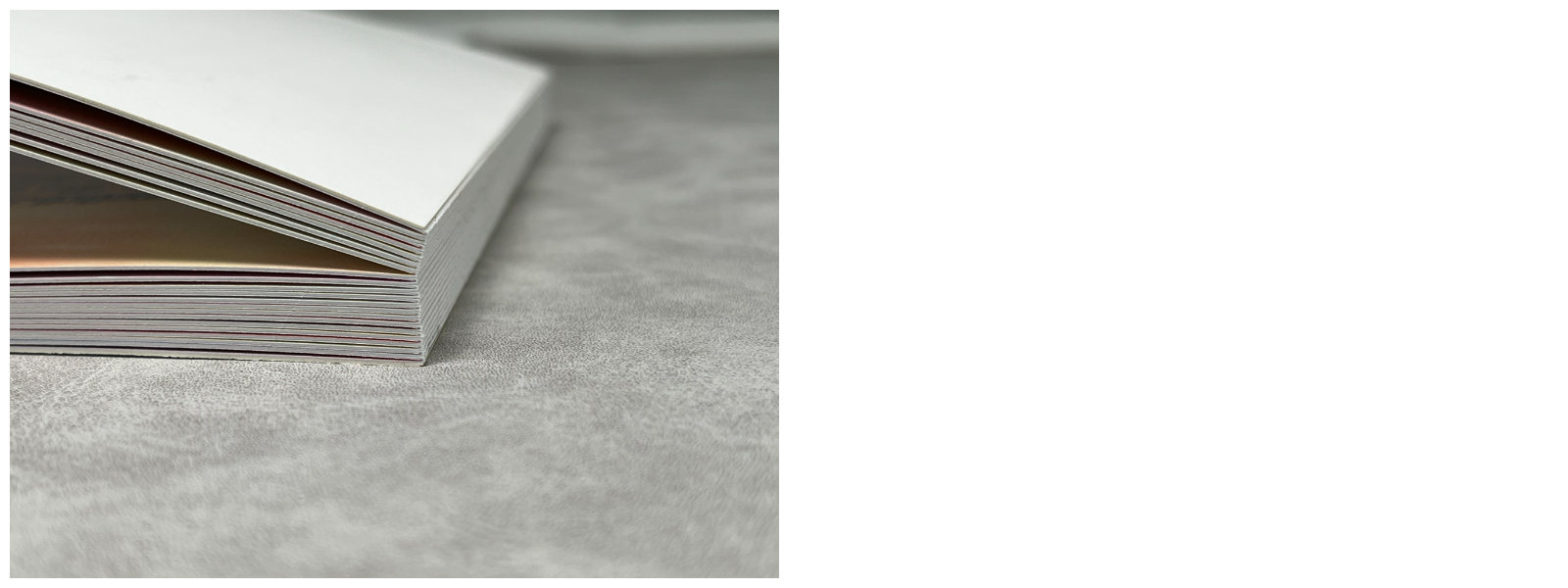
One Cardboard Insert: Adding Support to the Page Core
Adding one cardboard insert between photographic paper layers creates a more substantial layflat album page structure. The cardboard acts as an internal support, helping the finished page maintain a firmer feel than a photo-paper-only construction.
This configuration is worth considering when manufacturers want to increase photo album page thickness without introducing multiple board layers. It provides another way to balance page rigidity, material usage, and the finished album's overall feel.
The final thickness and rigidity depend on the cardboard's thickness, density, and material properties, as well as the photographic paper and adhesive used. Selecting compatible photo album materials and maintaining consistent bonding conditions can help manufacturers achieve more repeatable results.
For photo labs serving wedding photographers, portrait studios, and professional photography customers, a single-insert core offers flexibility when developing different layflat photo album specifications.

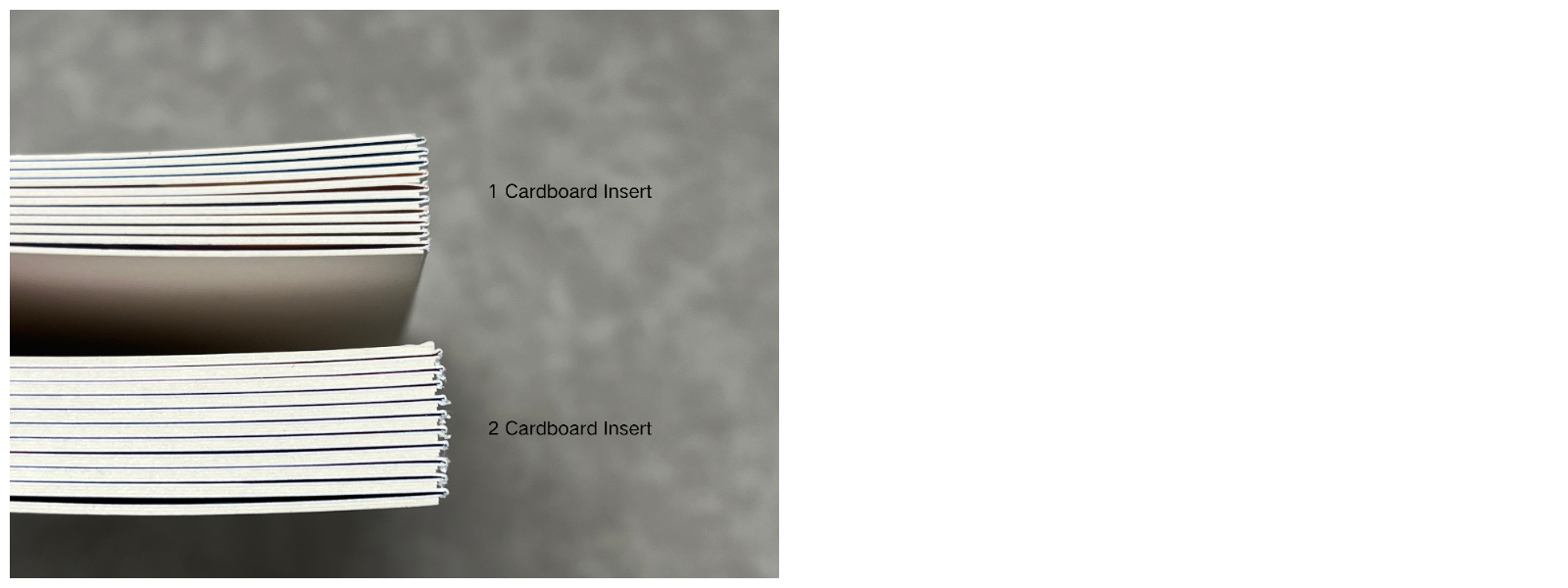
Two Cardboard Inserts: Building a Thicker, More Rigid Page
When two cardboard inserts are incorporated into a layflat photo album core, the finished page can achieve greater thickness and rigidity than a comparable construction using one insert, depending on the materials selected.
This structure can be considered for albums where customers expect a substantial page feel and a more pronounced, solid profile. It also gives album manufacturers greater flexibility when developing different product grades or premium photobook specifications.
However, more cardboard inserts do not automatically mean better quality. Board thickness, material uniformity, bonding strength, and compatibility with the photographic paper all affect the final result. Additional layers may also increase album weight and influence the number of spreads that can be accommodated within a finished album.
During photo album manufacturing, the aim is to select a core structure that delivers the desired thickness and rigidity without making the album unnecessarily heavy or difficult to produce. Comparing actual samples is a practical way to evaluate these differences before finalizing a production specification.
Three Cardboard Inserts: A More Substantial Core Construction
A layflat photo album core structure incorporating three cardboard inserts provides another option for manufacturers developing thicker album pages. Depending on the thickness and properties of each component, this construction can create a more substantial page profile.
It may be suitable for particular premium album designs or products where a thicker, more rigid page is part of the specification. For manufacturers responding to requests for increased photo album page thickness, a three-insert construction offers another configuration to evaluate.
At the same time, additional cardboard layers introduce more material and bonding considerations. Manufacturers need to assess total page thickness, finished album weight, adhesive application, pressing conditions, and consistency across the production batch. The compatibility of the selected photo album materials is particularly important when building a multilayer core.
Rather than choosing the maximum number of inserts by default, it is better to compare physical samples and confirm that the finished structure meets the album's functional and commercial requirements.
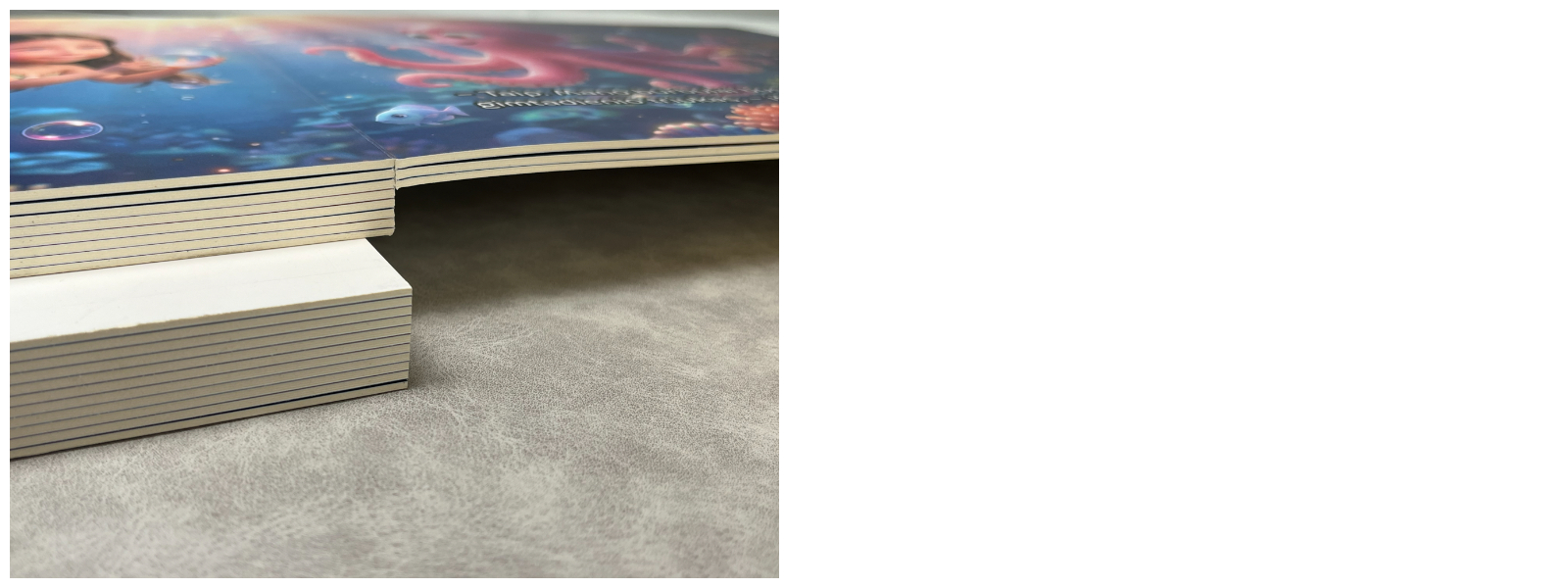
Choosing the Right Layflat Photo Album Core Structure
From photo paper bonded back to back to constructions with three cardboard inserts, each layflat photo album core structure offers a different balance of thickness, rigidity, weight, and material consumption. The right choice depends on the album's intended market, customer expectations, production requirements, and target cost.
For photo labs and album manufacturers, comparing physical samples is a practical first step in selecting a suitable photo album core. Evaluate finished page thickness, surface flatness, bonding quality, flexibility, and appearance when the album is opened. It is also important to check how the selected materials perform during pressing, cutting, and final assembly.
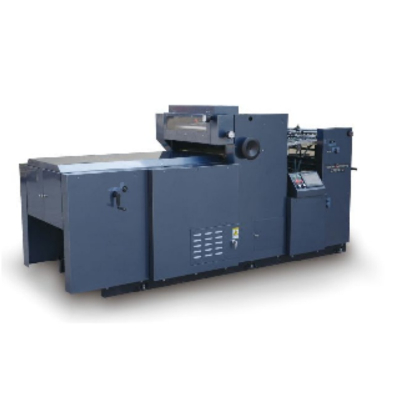
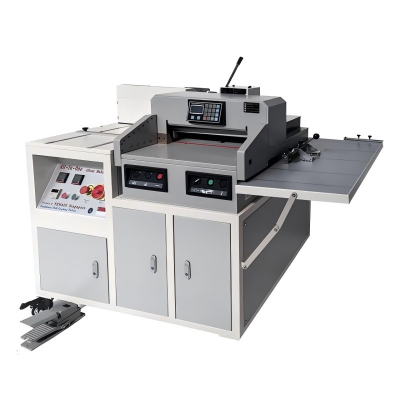
Consistent results in layflat album manufacturing depend on more than the number of cardboard inserts. Suitable equipment, compatible photo album materials, and controlled processing conditions all contribute to repeatable production quality.
Looking to develop or improve your layflat photo album production? Double100 provides photo album manufacturing equipment, materials, and production support for photo labs, album workshops, and growing photobook manufacturers. Contact our team to discuss your album specifications, compare different layflat photo album core structures, and explore equipment options for your production needs.
Find the Right Solution for Your Layflat Photo Album Production
Choosing the right album core structure is an important step in producing layflat photo albums that meet your customers’ expectations. Double100 provides photo album making machines, production materials, and technical support to help photo labs and album manufacturers build a suitable production process. Whether you are developing new album specifications or improving existing production, our team can help you explore the right equipment and materials for your needs. Contact Double100 to discuss your layflat photo album production requirements and find the right solution for your business.