Square Corners or Rounded Corners? Choosing the Right Finish for Photo Albums
When producing a high-quality photo album, customers usually focus on the images, cover materials, and overall design. However, small finishing details can also affect the final appearance and user experience. One important detail is the corner style of the album.
In photo album production, square corners and rounded corners are two common finishing options. Each style creates a different visual effect and is suitable for different types of albums, including wedding albums, professional photobooks, family albums, and premium layflat photo albums.
For photo labs, photographers, and album manufacturers, understanding the difference between these two finishes helps them choose the right production process and improve the consistency of finished products.

What Is the Difference Between Square and Rounded Corners?
Square corners feature straight edges that meet at a sharp 90-degree angle. This traditional finishing style creates a clean and structured appearance. It is commonly used for premium wedding albums, professional photography books, portfolios, and hardcover photobooks where a formal and elegant look is required.
Rounded corners have a curved edge instead of a sharp angle. The radius of the curve can vary depending on the design requirements. This type of finish gives the album a softer appearance and is often selected for family albums, children's photobooks, travel albums, and products that are frequently handled.
From a production perspective, the main difference is not only the appearance but also the finishing process. Different corner designs require different cutting methods, tools, and machine settings to achieve consistent results.

Why Does Corner Finishing Matter in Photo Album Production?
The corner style influences how customers perceive the quality and positioning of a photo album.
Square corners are often preferred for premium products because the straight edges create a precise and professional appearance. When multiple albums are displayed together, consistent square edges can give the product collection a more uniform look.
Rounded corners provide a different visual experience. The smooth curve can make an album look more casual and approachable, while also creating a softer feeling when customers hold and browse the album.
However, corner shape alone does not determine the durability of an album. The quality of the inner pages, cover structure, adhesive performance, and overall production process all affect the lifespan of the finished product.
For album manufacturers, choosing the right corner finish depends on customer requirements, product positioning, and the available photo album production equipment.
How Are Photo Album Corners Finished?
The finishing method depends on the album structure, materials, and production workflow.
For square corner albums, accurate cutting and positioning are important. The page block needs to maintain consistent dimensions so the edges remain straight after assembly. Any variation in cutting accuracy can affect the final appearance of the album.
Rounded corners are usually created through a corner rounding process using specialized tools or a corner rounding machine. During production, the cutting radius needs to match the album thickness and material structure.
For example, thick layflat album cores, cardboard inserts, and different cover materials may require different settings to achieve clean and consistent corners. Before mass production, manufacturers usually test samples to confirm the cutting quality.
For companies producing different album styles, using suitable album production equipment can help reduce manual adjustments and maintain stable results.

How to Choose the Right Corner Finish for Photo Albums?
When selecting between square and rounded corners, manufacturers should consider several factors.
Product type
Premium wedding albums, luxury photobooks, and professional portfolios often use square corners because of their clean appearance. Family albums and frequently handled photo products may use rounded corners for a softer design.
Customer expectations
Different markets have different preferences. Some customers prefer the classic look of sharp edges, while others prefer a more comfortable rounded design. Providing samples of both options can help customers make decisions before production.
Material structure
The thickness of the album core, cardboard inserts, and cover materials directly affects the finishing process. The corner treatment should match the complete album structure rather than only the surface material.
Production requirements
For small customized orders, flexibility is important. For larger production volumes, manufacturers need reliable equipment that can provide repeatable results with less manual adjustment.
What Should Manufacturers Consider When Choosing a Corner Rounding Machine?
For businesses that regularly produce rounded corner photo albums, a suitable corner rounding machine can improve production efficiency and consistency.
Important factors include cutting accuracy, compatibility with different album materials, adjustment convenience, and operation stability.
A professional photo album making machine should support different production requirements, including various album sizes, page thicknesses, and finishing styles.
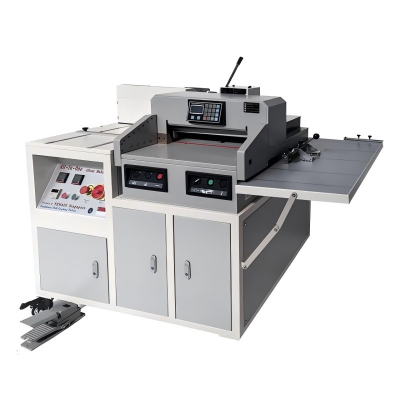
For example, the Double100 4900 manual layflat album machine integrates multiple album-making functions and provides a practical option for studios and album manufacturers who need flexible production capability.
Before investing in equipment, manufacturers should evaluate their actual products, production volume, and required finishing quality instead of choosing equipment only based on specifications.

Can One Production Workflow Support Both Square and Rounded Corners?
Many album manufacturers need to produce different styles according to customer orders. A flexible production workflow allows businesses to switch between square corner and rounded corner products more efficiently.
The suitable process depends on the album structure and production requirements. Some workflows complete corner finishing after the page block is assembled, while others process materials at different production stages.
For companies offering customized photo albums, maintaining consistent settings for each product type is important. Recording material combinations, corner radius, and production parameters helps operators reproduce the approved sample and maintain quality between batches.

Final Thoughts
Square corners and rounded corners are both valuable finishing options in modern photo album production. Square corners provide a classic and structured appearance, while rounded corners create a softer and more approachable design.
For photo labs and album manufacturers, the right choice depends on product positioning, customer requirements, materials, and production capability.
With suitable photo album making machines and reliable finishing processes, manufacturers can achieve consistent corner quality and produce albums that meet different market demands.
Explore Photo Album Production Solutions with Double100
Whether you produce square-corner or rounded-corner albums, choosing the right equipment is essential for consistent finishing quality and efficient production. Double100 provides photo album making machines and photo album production equipment for studios, photo labs, and album manufacturers with different production needs. Explore our 4900 manual layflat album machine to learn more about its album-making capabilities, or contact our team to discuss your production requirements and find suitable equipment for your workflow.