How Does a Book Cover Making Machine Work? From Greyboard to Finished Hardcover Covers
A hardcover book cover is more than a protective outer layer. Its structure, edges and overall finish all contribute to the appearance and durability of the finished book.
For photo album manufacturers, bookbinding factories and printing companies, producing consistent hardcover covers requires careful material positioning and reliable forming processes. A book cover making machine helps bring the separate components together, turning greyboard and cover materials into finished hardcover cases ready for the next stage of book production.
At Double100, we provide book cover making equipment for businesses involved in hardcover book and photo album manufacturing. Understanding how the machine works, how materials are handled and what to look for in the finished cover can help manufacturers make better equipment decisions.
Understanding the Book Cover Making Process
A book cover making machine is used to produce rigid hardcover cases by combining greyboard with an outer cover material. These components form the basic structure of a hardcover book or layflat photo album.
Unlike softcover production, hardcover manufacturing requires a rigid structure with properly formed edges and a consistent overall appearance.
In a typical production workflow, the process involves preparing the cover material and greyboard, positioning the materials, feeding them into the machine and forming the hardcover case.
The machine helps manufacturers handle this process more consistently than relying entirely on manual work. For businesses producing photo albums, notebooks, hardcover books and other rigid-cover products, this equipment can become an important part of the post-press production workflow.
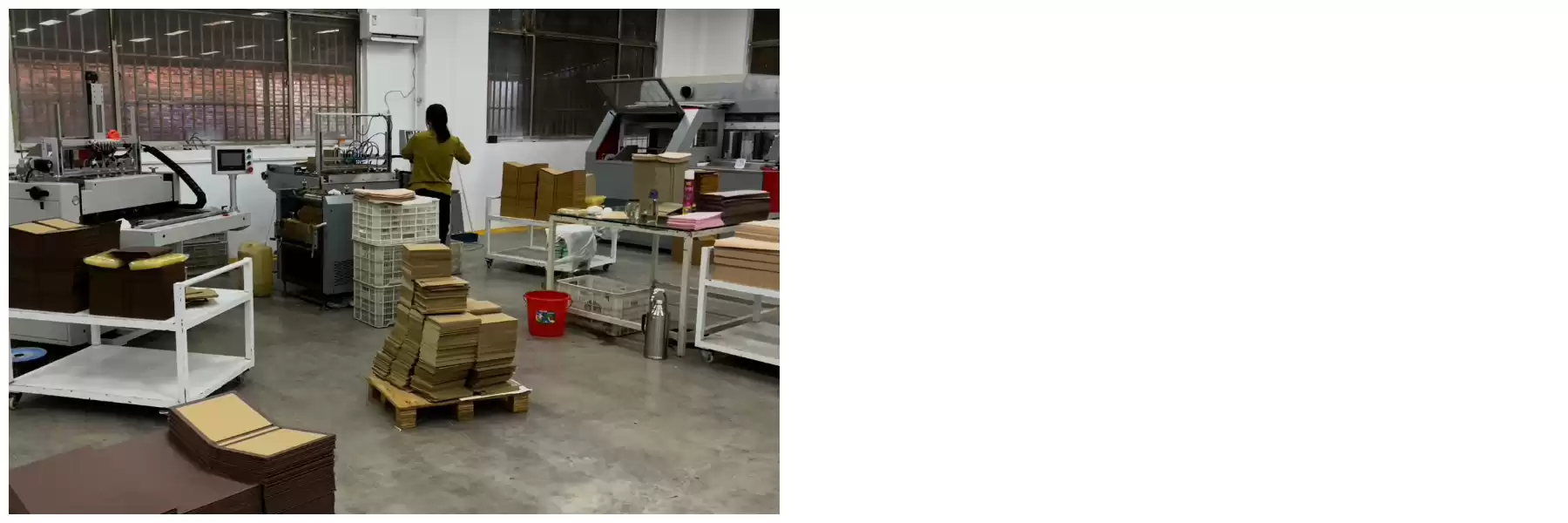
Preparing the Cover Material and Greyboard
Hardcover case making begins with two main materials: greyboard and the outer cover material.
The greyboard provides the rigid structure of the cover, while the outer material determines its appearance and surface finish.
Before the greyboard is positioned, the operator first applies glue to the cover material and places it on the machine's front working table. This prepares the surface for the greyboard to be accurately positioned and attached.
The greyboard is loaded separately at the rear of the machine. Rather than manually aligning each board with the cover material, the machine uses a preset positioning system to prepare for automatic greyboard placement.
This arrangement helps simplify material handling and makes the positioning process more consistent during hardcover cover production.
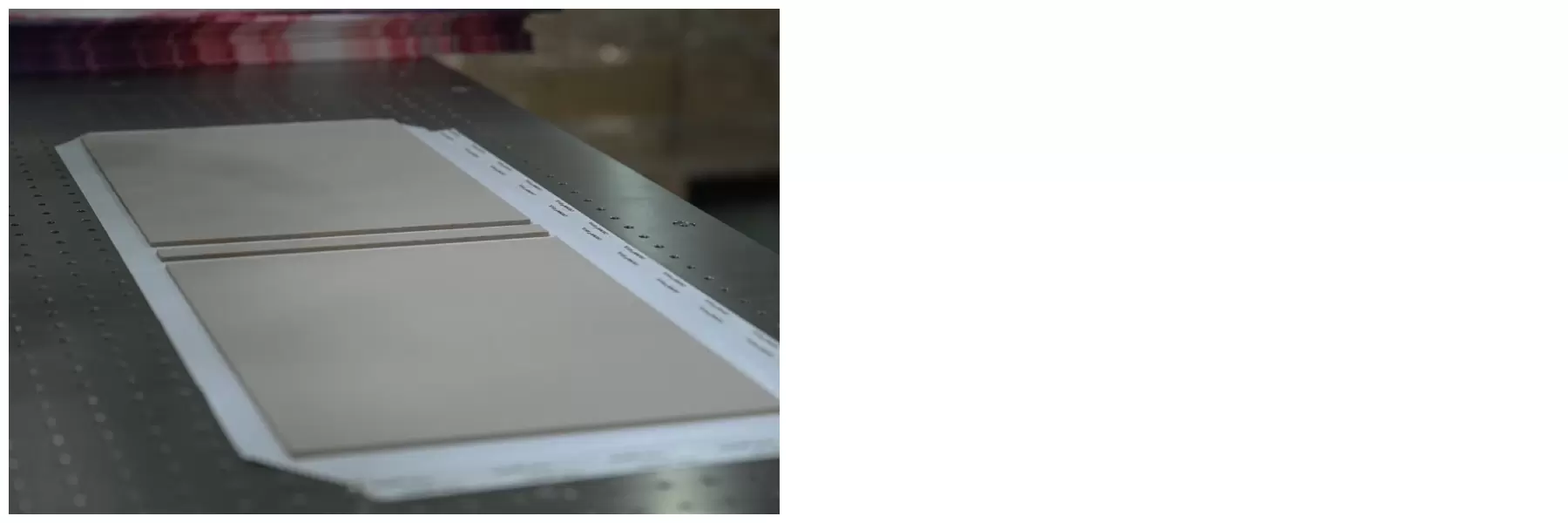
Automatic Greyboard Placement and Cover Feeding
Once the glued cover material is placed on the front working table and the greyboard is loaded at the rear, the machine is ready for the positioning process.
The operator presses the foot pedal to activate the machine. The greyboard is then automatically fed from the rear and placed onto the cover material according to the preset positioning settings.
This automatic placement process helps reduce the need for manual board alignment, supporting more consistent positioning across repeated production runs.
After the greyboard is placed, the operator pushes the cover material into the machine. The equipment then carries out the edge-wrapping process, folding the cover material around the greyboard to form the hardcover case.
By combining automatic greyboard positioning with mechanical edge wrapping, the book cover making machine helps manufacturers handle two important stages of hardcover case production within one workflow.
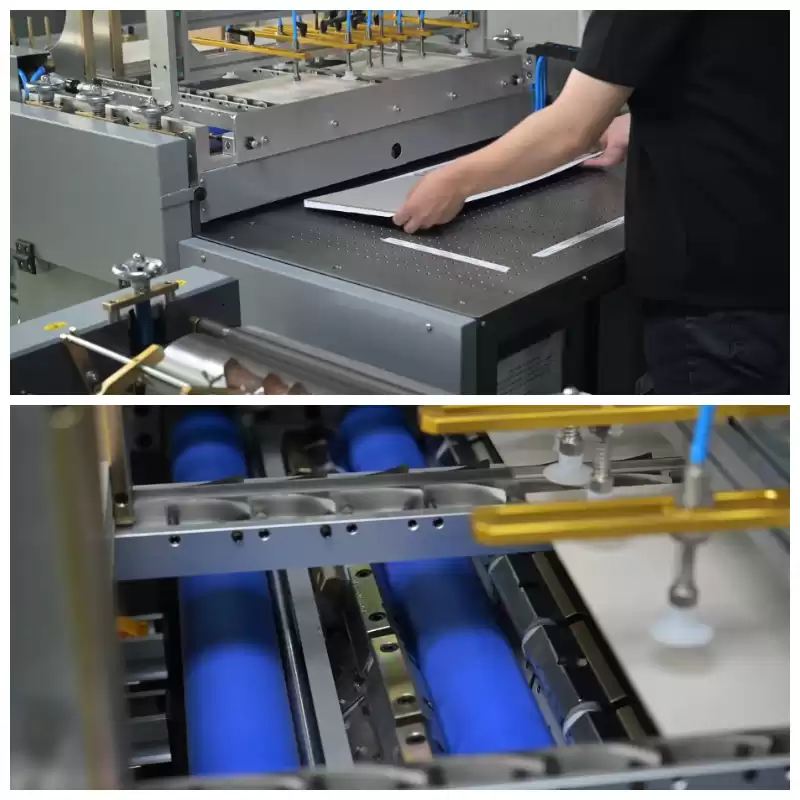
Finished Hardcover Covers: Why Edge Quality Matters
After the edge-wrapping process, the hardcover case takes its final shape.
The appearance of a finished hardcover cover depends on several factors, including material positioning, board alignment and the quality of edge wrapping.
The edges are particularly important. When multiple hardcover cases are stacked together, differences in edge alignment and forming quality become easier to notice.
Clean, well-formed edges contribute to a more consistent appearance across finished covers. This matters to photo album manufacturers and bookbinding factories that need to maintain product quality across repeated orders.
The finished hardcover case is then ready for the next stage of production, where the prepared book block is combined with the cover to create the completed hardcover book or photo album.

Choosing a Book Cover Making Machine for Your Production
The right book cover making machine depends on the types of hardcover products you manufacture, your production volume and the materials you work with.
A photo album factory producing different album sizes may have different requirements from a bookbinding company handling regular hardcover book orders. Before selecting equipment, manufacturers should consider several factors:
Product dimensions: Check whether the machine supports the cover sizes required for your production.
Material compatibility: Consider the greyboard thicknesses and outer cover materials used in your products.
Production requirements: Evaluate your daily output, order frequency and expected production growth.
Workflow integration: Consider how the machine will fit into your existing hardcover production and book assembly processes.
Operator requirements: Understand the machine's operating procedures, training requirements and ongoing support.
A book cover making machine should be considered as part of the wider hardcover manufacturing workflow, rather than as an isolated piece of equipment.
At Double100, we provide post-press equipment for photo album manufacturers, bookbinding factories and printing businesses. From hardcover case making to photo album production, our equipment range supports different stages of manufacturing.
Whether you are setting up a new hardcover production workflow or improving an existing one, Double100 can help you evaluate suitable equipment based on your product specifications, materials and production requirements.
Contact Double100 to discuss your hardcover cover production needs and explore a book cover making machine suited to your manufacturing workflow.